
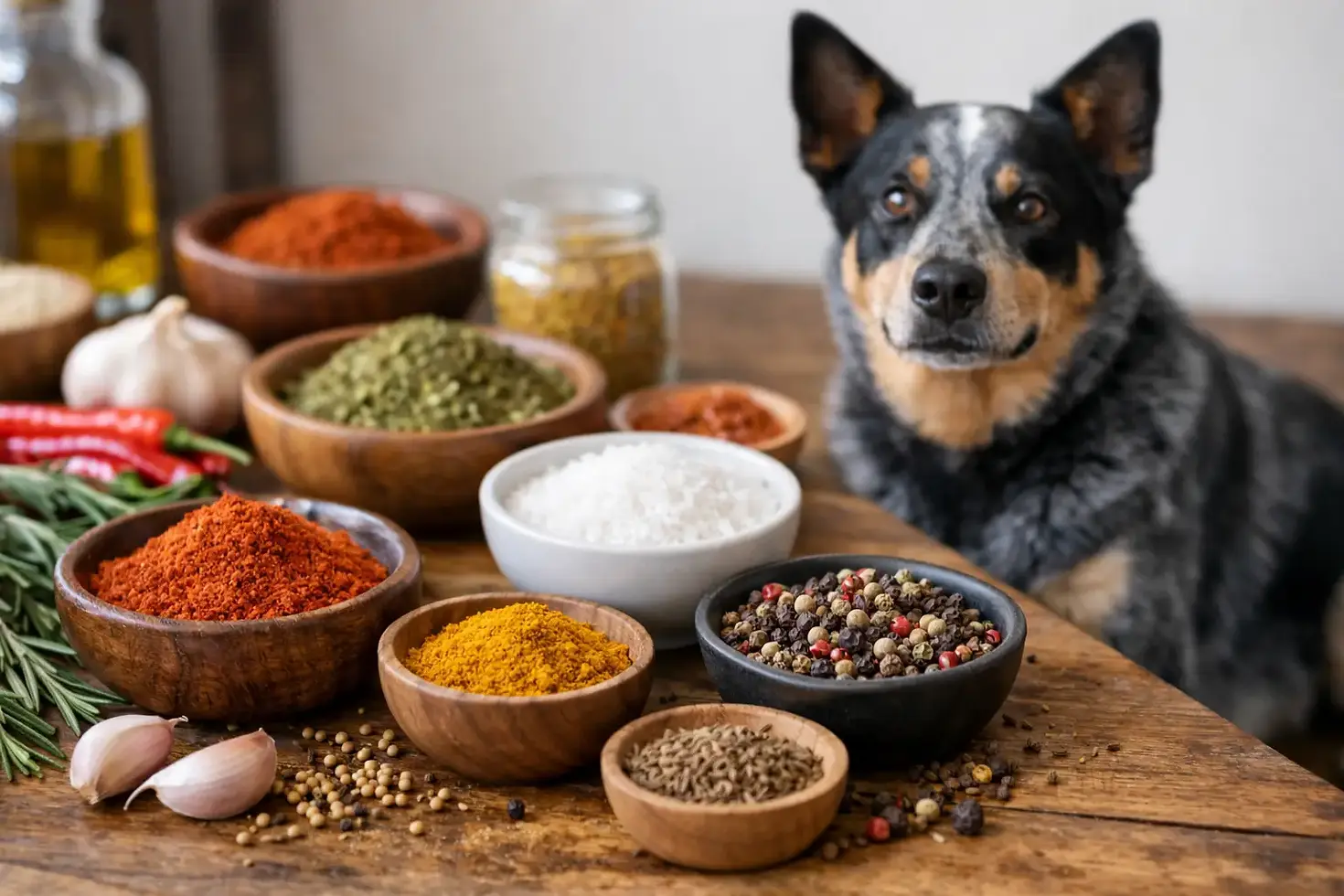
What Seasonings Have No Fillers?

You can taste the difference when a seasoning is pulling its weight - and when it’s coasting on cheap extras. If you’ve ever shaken a blend over chicken, ribs, or roasted veggies and ended up with flat flavor, there’s a good chance you weren’t getting much actual spice. That’s why so many home cooks ask what seasonings have no fillers. They want real flavor, not a label padded with anti-caking agents, starches, sugar overload, or mystery ingredients that do more for shelf life than for dinner.
What seasonings have no fillers, exactly?
At the simplest level, a no-filler seasoning is one made from actual herbs, spices, salts, peppers, aromatics, and other flavor-building ingredients without unnecessary bulking agents. That means the blend is there to season food, not to stretch the jar as cheaply as possible.
A filler is usually an ingredient added to increase volume, reduce cost, prevent clumping, or alter texture without contributing much flavor. Some are technically safe and common in packaged foods, but that doesn’t mean they belong in a premium seasoning blend. If you’re paying for bold taste, you want ingredients that earn their spot.
No-filler seasonings often contain straightforward ingredients like garlic, onion, paprika, black pepper, sea salt, chili pepper, cumin, mustard, oregano, thyme, rosemary, and other recognizable pantry staples. In some blends, you may also see natural flavor builders like citrus powder or dehydrated vegetables. That’s not the problem. The problem is when the formula is weighed down by ingredients that exist mostly to take up space.
What counts as a filler in seasoning blends?
This is where a little label reading goes a long way. Fillers can show up under a few different names, and some are more obvious than others. Starches and flours are common. Rice concentrate, maltodextrin, corn flour, wheat flour, and modified food starch are often used to bulk up a blend. Anti-caking agents such as silicon dioxide or calcium silicate are also common. Again, they may have a functional purpose, but they’re not there to make your steak, wings, or burgers taste better.
Then there’s the gray area. Sugar is not automatically a filler. In BBQ rubs, Cajun blends, and sweet heat profiles, sugar can play a real role in balance, caramelization, and crust formation. The issue is proportion. If sugar is one of the first ingredients and everything else trails behind it, you may be buying a sweetener with a little spice sprinkled in.
Salt falls into that same it-depends category. Salt is essential in many seasoning blends, and it absolutely contributes to flavor. But when a jar is loaded with salt and light on everything else, the blend can taste one-dimensional fast. You should still be able to smell the garlic, pepper, herbs, chilies, and smoke notes when you open it.
How to tell if a seasoning has no fillers
The fastest test is the ingredient list. If it reads like a real kitchen ingredient lineup, you’re on the right track. If it starts sounding like a food lab project, pump the brakes.
Look for short, clear ingredient panels with spices, herbs, salt, garlic, onion, peppers, and other recognizable flavor ingredients. Be cautious when the list includes multiple starches, excessive sweeteners, preservatives, or anti-caking agents high up in the lineup. The order matters because ingredients are generally listed by weight.
Smell matters too. A true no-filler blend should hit your nose with real aroma the second the lid comes off. You should get a punch of pepper, smoke, garlic, herbs, citrus, or heat - whatever that blend promises. If the scent is weak, dusty, or mostly salty, the flavor is probably going to whisper instead of speak up.
Texture can give you clues as well. Some no-filler blends may clump a little, especially if they skip anti-caking agents. That’s not a defect. That’s often a sign the jar is full of real ingredients and not engineered for perfect shakeability at the expense of purity. Give it a shake, break it up with a spoon, and get cooking.
The types of seasonings that are most likely to have no fillers
Single-ingredient spices are the easiest place to start. Pure garlic powder, onion powder, paprika, cumin, black pepper, chili powder, oregano, thyme, and rosemary should ideally contain one ingredient and nothing else. If you’re building your own rubs at home, these are your cleanest foundation pieces.
Small-batch spice blends are also more likely to skip the junk, especially when the brand makes a point of clean ingredients. These companies tend to lead with flavor instead of manufacturing shortcuts. That usually means you get a stronger aroma, better color, and more distinct taste in the finished dish.
Savory rubs for beef, pork, chicken, and vegetables often do well here because they’re built around peppers, garlic, onion, salt, paprika, and herbs instead of cheap bulk ingredients. That said, always read the label. “Premium” on the front of the jar means nothing if the back tells a different story.
Organic seasonings can sometimes be cleaner, but organic does not automatically mean filler-free. A blend can be organic and still contain anti-caking agents or too much sugar. The same goes for labels like natural or gourmet. Nice words. Not proof.
Why no-fillers actually matter in your cooking
This isn’t just about ingredient snobbery. It changes how your food tastes.
When a seasoning blend has no fillers, more of every spoonful is doing real flavor work. That means better bark on smoked meats, deeper color on roasted chicken, brighter punch on grilled shrimp, and more personality in weeknight vegetables. You use less to get more impact, which makes the seasoning feel worth the money.
It also gives you more control. A filler-heavy blend can force you to keep adding extra seasoning just to chase the flavor you expected from the start. Then suddenly your food is too salty, too sweet, or coated in powder without ever getting where it needs to go.
For cooks who care about clean labels, no-fillers also align with a simpler pantry. You know what you’re feeding your family. You know what’s going on your brisket, your burgers, and your Sunday potatoes. No guesswork. No fluff. Zero shortcuts.
What to watch for when shopping
Price alone won’t tell you much. Some cheap blends are padded out. Some premium-priced jars are padded out too. You have to look past the branding and read the ingredients.
Pay attention to how the seasoning performs in real cooking. A no-filler blend should bloom in heat, stick well to meat or vegetables, and leave behind a clear flavor signature. If everything tastes vaguely salty or sweet no matter what you put it on, that blend is probably not bringing enough actual spice to the party.
It also helps to think about your cooking style. If you grill and smoke a lot, look for blends with bold peppers, garlic, onion, paprika, and herbs that can stand up to fire and fat. If you cook lighter foods like fish, eggs, or vegetables, cleaner, more focused blends without excess sugar or starch tend to give you better balance.
And if a brand openly talks about no fillers and no MSG, that’s worth noting - especially if the ingredient panel backs it up. Confidence is great. Proof is better.
The bottom line on what seasonings have no fillers
The best no-filler seasonings are the ones built with ingredients that actually belong in the blend: spices, herbs, salt, peppers, aromatics, and honest flavor from top to bottom. They smell stronger, taste cleaner, and make your food stand out without relying on junk to stretch the jar.
That’s the whole game. Better ingredients. Bigger flavor. No dead weight.
If you want meals that turn heads at the dinner table or the tailgate, start with seasonings that do more than color the meat. Choose blends that bring real flavor, read the label like it matters, and trust your taste buds when they tell you the difference. Life’s too short for seasoning that whispers.


Comments